
DisasterReady: Provides courses like "Handling Stress" to reduce the effects of stress. https://www.disasterready.org
Kaya Connect: Features a course on wellness and resilience for frontline workers and managers. https://kayaconnect.org
WHO: Offers an online course on "Mental Health and Psychosocial Support for Humanitarian Workers" that covers self-care and psychosocial interventions. https://www.who.int
MHPSS Network: A platform to connect with other professionals and find resources, training, and webinars related to mental health in humanitarian and development contexts. https://www.mhpss.net
The Humanitarian Leadership Academy: Provides simple training modules on healthy coping mechanisms and recognizing signs of distress. https://www.humanitarianleadershipacademy.org
Around 1 in 5 people in conflict-affected areas experience mental health impacts from natural disasters, armed conflict, and public health emergencies. Feeling fear, anxiety, or sadness in these situations is a normal response to highly stressful and traumatic events.
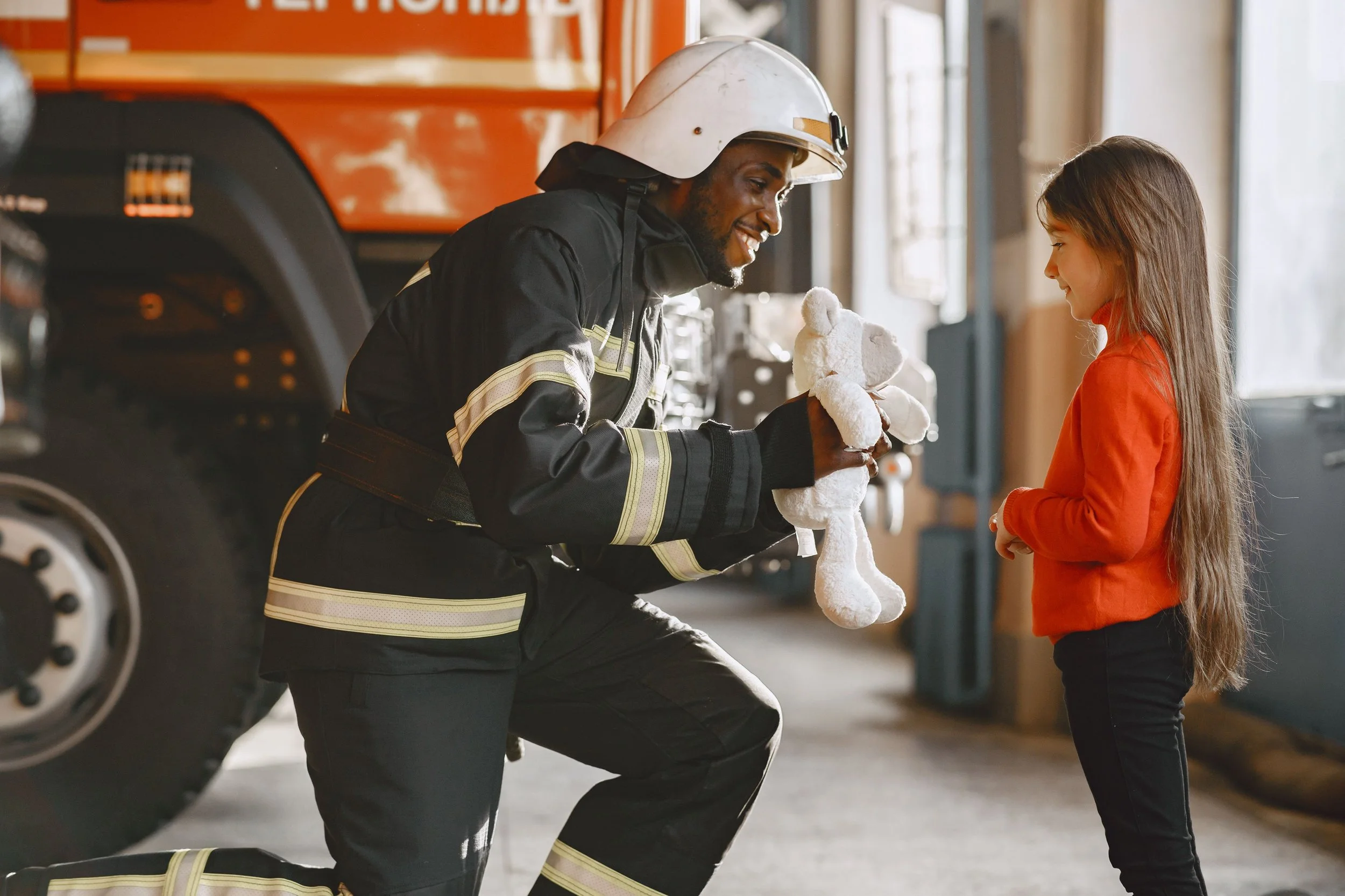
Humanitarian workers are particularly vulnerable to the psychological toll of the crises they respond to and often face prolonged, intense stress. It is therefore important for organizations to provide measures such as adequate rest, supervision, peer support, and workplace mental health programs to help protect these workers and sustain an effective humanitarian response.
Please see the below resources that primarily focus on the mental health of humanitarian workers and aids:
Headington Insititude Bereavement and Grief
Everyday Health How to Cope with Loss: Tips for Healthy Grieving
American Psychological Association Grief: Coping with the Loss of Your Loved One
KidsHealth.org 5 Ways to Cope When a Loved One Dies
BetterHelp How the 7 Stages of Grief Affect Your Life
Counseling Center Group How to Overcome Grief: 10 Helpful Strategies for Healing
Myndlift What Grief Does to Your Brain and How to Cope with it
National Institute on Aging (NIH) Coping with Grief and Loss